Daily routine
8:15 — 8:30
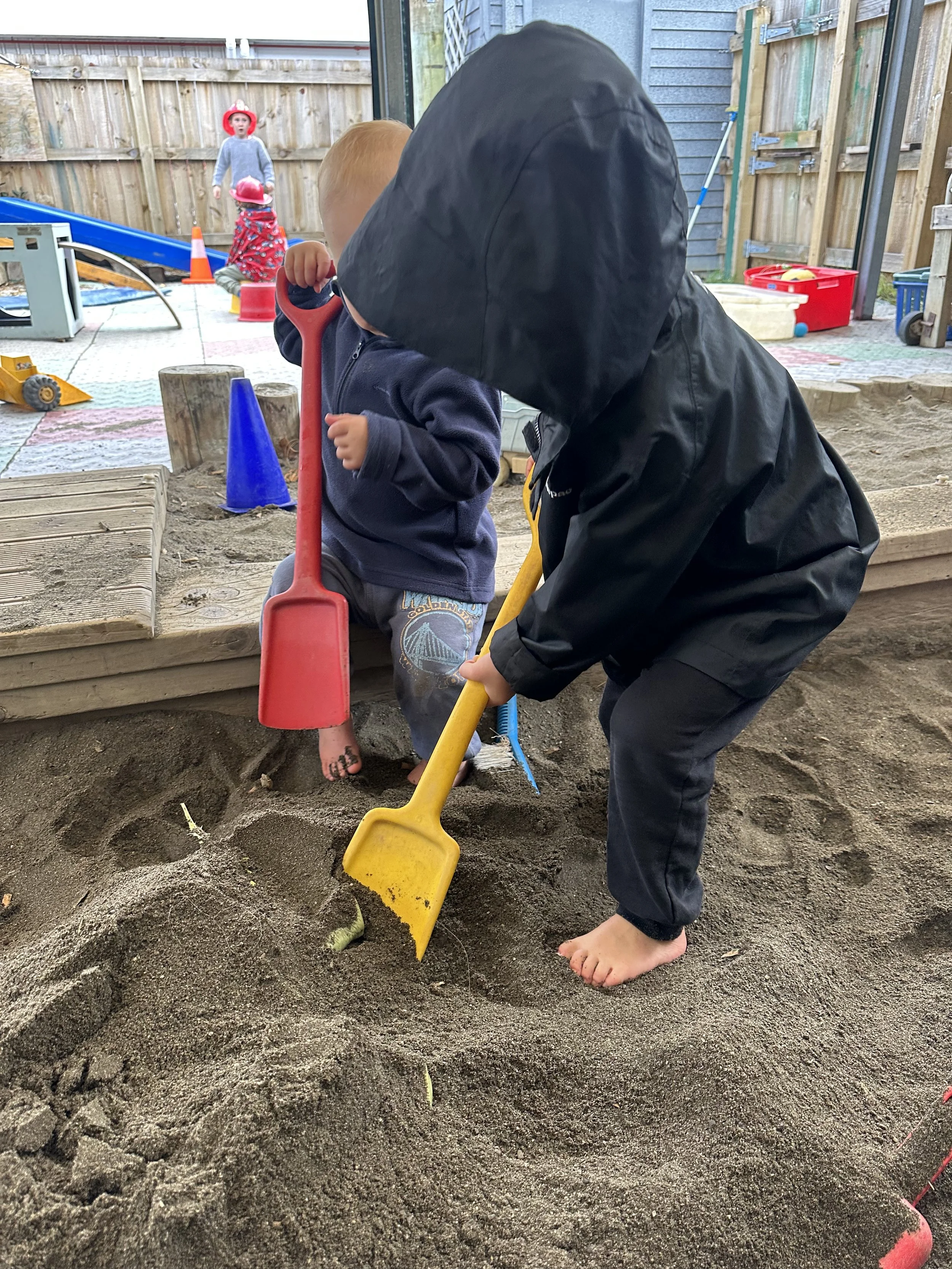
Kaiako arrive and set up the learning environment for tamariki: This includes completing the health and safety check, uncovering and raking over the sandpit and ensuring the general cleanliness and safety of the outside play space.
8:30 — 9:45
KEL is opened for the day: Tamariki and whānau arrive and are greeted by kaiako. This is an opportunity for whānau to share and update kaiako, regarding wellbeing and any particular needs of their tamaiti for the day.
Ngā tamariki take their photo from the photo-board and choose a hook for their bag/belongings for the day, store their pouaka kai/lunch box on the shelf in the kihini/kitchen and their pātara wai/drink bottle in the trolley in the main learning space for access throughout the day. For those wishing to have a 2nd breakfast one tēpu is set to accommodate them, we close this of at 9:15 to allow for clean-up and to ensure tamariki have enough kai to see them through the day
Tamariki are supported to settle (if and where required) at a learning experience of interest. This is especially important for our younger tamariki or those who are new to the centre. Kaiako will always make themselves available to nurture the settling of tamariki
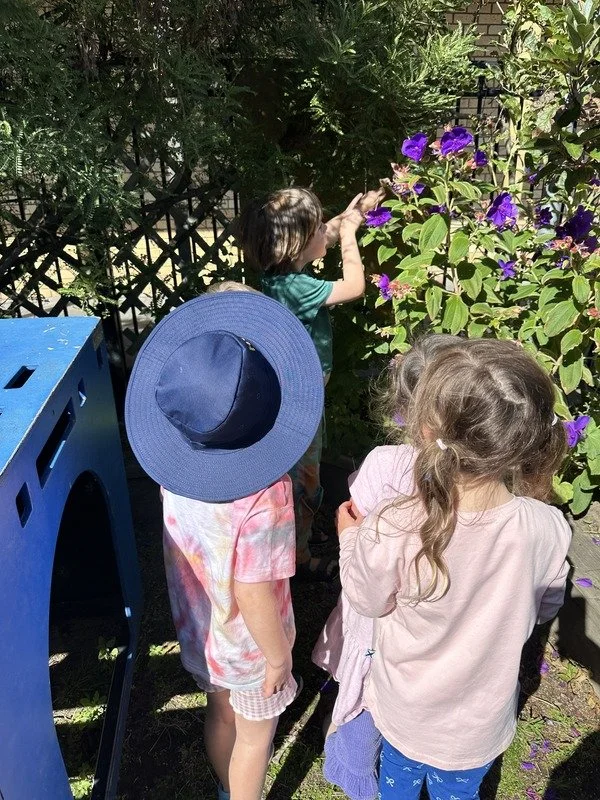
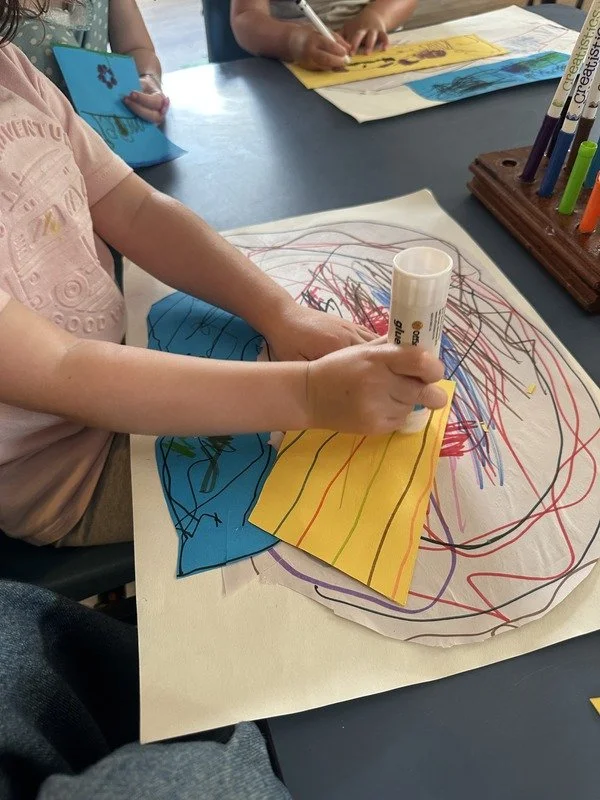
Tamariki are free to explore and engage in learning experiences within the environment, inside or outside.
9:45 — 10:45
Wā Whāriki: Depending on the tamariki who are at KEL on the day, we may choose to have all tamariki together for this group time or we may divide into two smaller groups, whereby tamariki are given learning opportunities appropriate to their age/development. During this time, we may share news, events, tell or read a story, sing songs.
Kai karakia is observed before tamariki wash their hands.
Tea Ata: Tamariki collect their lunch boxes and water bottles and sit at a table. At least one kaiako is present at each table to kōrero, support and ensure good eating practices are followed. Hand washing follows kai, before ngā tamariki return to play.
10:45 — 12:15
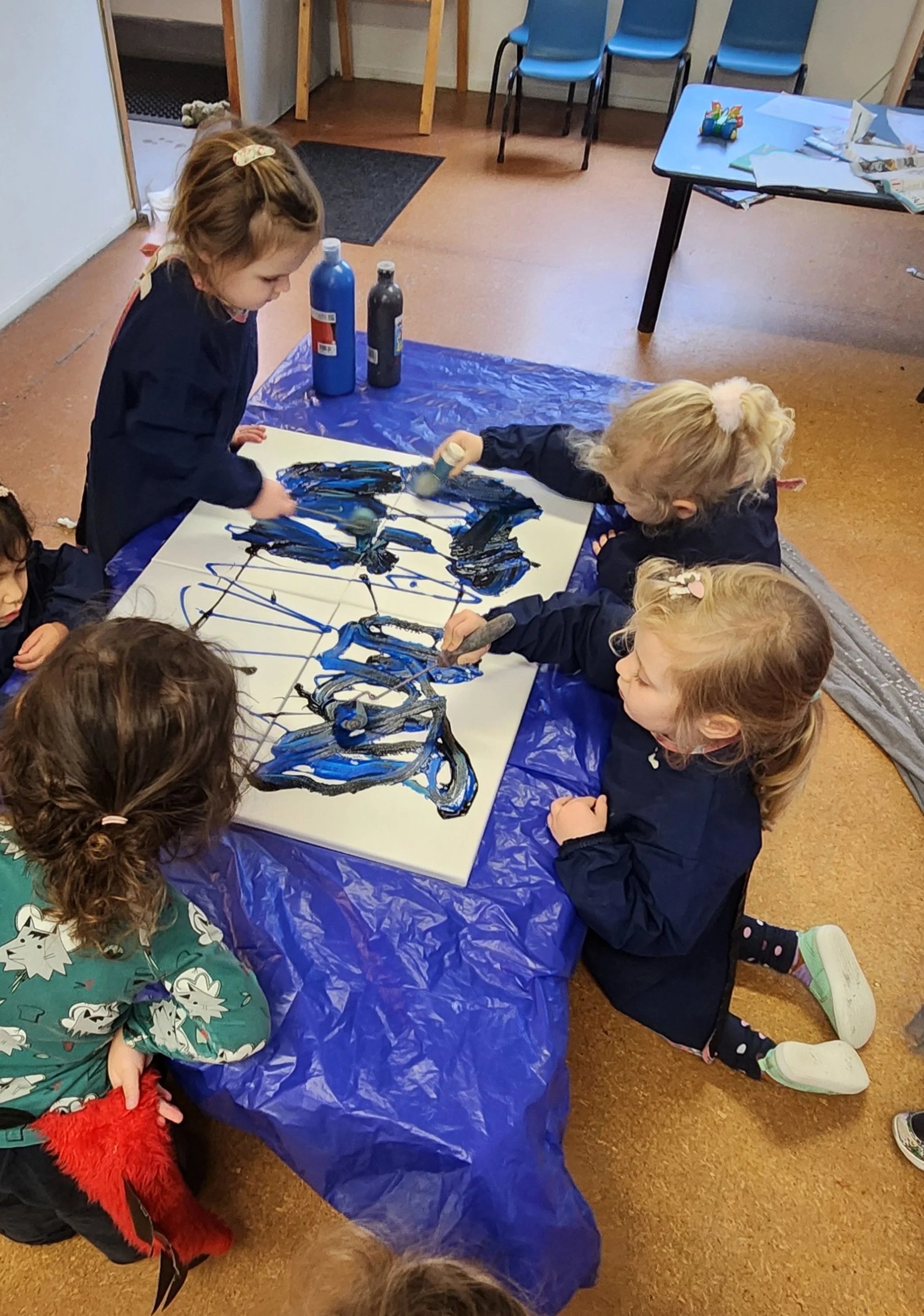
Learning experiences (and play) are re-set for tamariki to explore: We may have a group activity such as science experiments. Care rituals, such as nappy changes/toileting and tamariki going to bed, also take place during this time.
12:15 — 12:45
Wā Whāriki: We all come together for a stories, songs, kōrero around upcoming events and or specific learning experiences. Ngā tamariki are encouraged to stay at the table until everyone at their table has finished eating
12:45 — 1:45
Further care rituals take place/Quiet time: During this time tamariki are free to continue their learning explorations, understanding that this is a time for bodies and brains to rest and reset — we remain inside for this time.
For tamariki who are getting ready to move to kura, we have a devoted focus time with a kaiako.
1:45 — 2:30
All areas of learning and exploration are available for tamariki.
2:30 — 2:45
Paramanawa ahiahi: Tamariki, are encouraged to have a late snack and water.
2:45 — 3:15
Learning and play continues and the KEL day draws to a close: Tamariki are supported to find and put on shoes and socks and help with a basic tidy up. Whānau begin to arrive to collect tamariki and kaiako take the opportunity to share new learning developments and other important information from the day.
3:15 — 3:30
Kōrero paki: Storytime, a gentle way to end the day and KEL closes for the day
3:30 — 3:45
KEL closes for the day: Kaiako clear and tidy the centre.
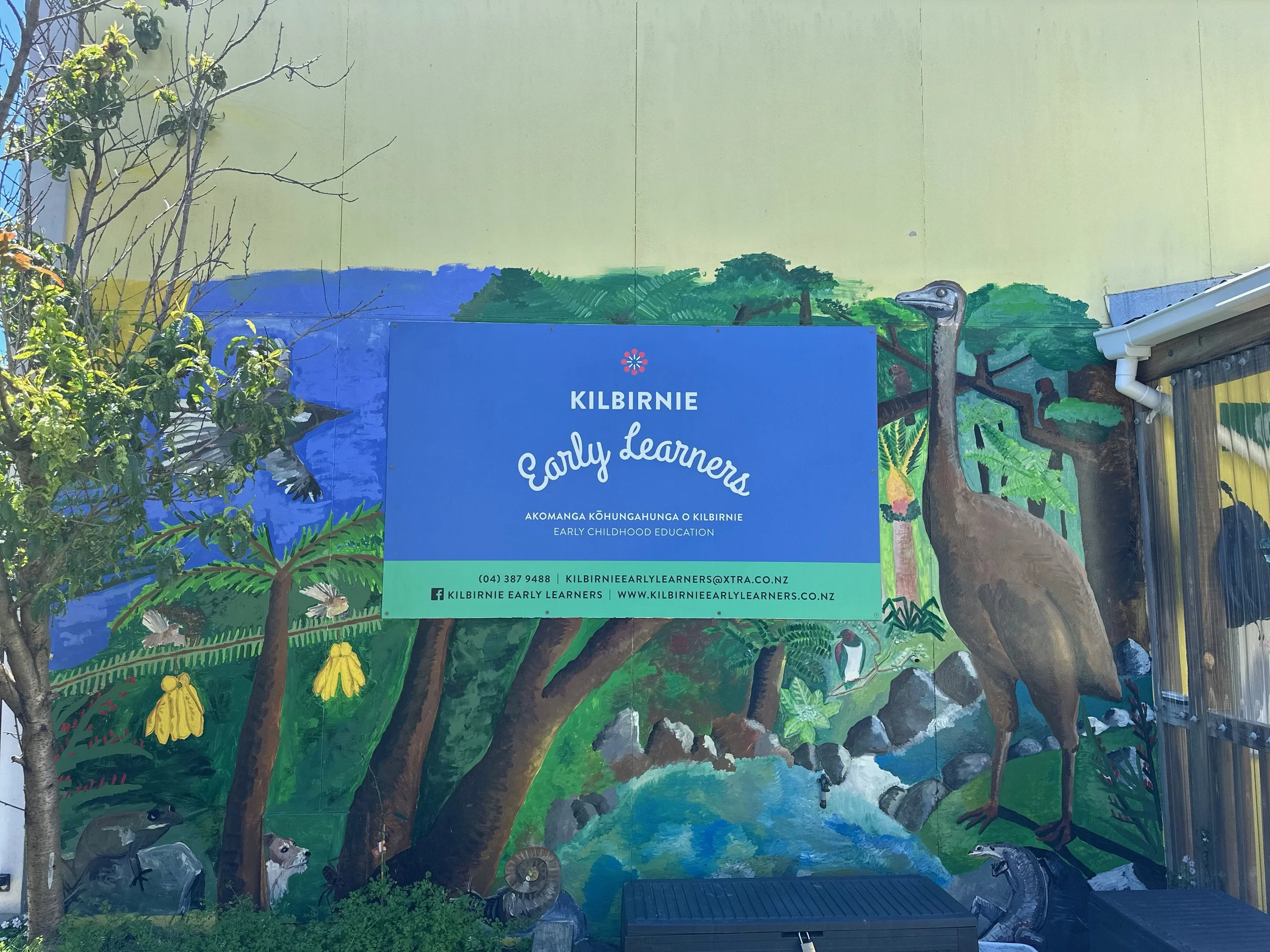
Settling
At KEL, we value the settling process as an important beginning to building strong, trusting partnerships with whānau and supporting tamariki to develop a sense of wellbeing and belonging in their new environment.
Settling usually begins around two weeks before a child’s start date and focuses on gentle introductions to their key kaiako, other staff, and fellow tamariki. These visits help create a sense of familiarity and comfort.
Whānau are always welcome to stay during these visits, allowing time to build connections and share valuable insights about their child. We maintain open communication throughout the process, ensuring whānau feel informed, supported, and involved every step of the way.
We understand that every transition is different, so we work closely with each whānau to create a settling process that reflects their needs and supports their child’s unique journey into our KEL community.
Fees
| Days per week | Under 3s weekly fee (GST incl.) | Over 3s weekly fee (GST incl.) |
|---|---|---|
| 2 days | $132.25 | $46.00 |
| 3 days | $178.25 | $66.70 |
| 4 days | $224.25 | $110.40 |
| 5 days | $270.25 | $149.50 |
There are no additional fees or donations. For over 3s the fees are calculated with the ECE funding included.
Fees, Funding and Donations
-
At Kilbirnie Early Learners, we aim to keep our fees fair while ensuring we can provide a high-quality learning environment for all tamariki.
Minimum enrolment is three days per week.
-
KEL is an approved provider of the Ministry of Education’s 20 Hours ECE programme. This means that tamariki aged 3 and 4 years are eligible for up to 20 hours of free early childhood education per week.
Please note:
Fees apply for any hours over the 20-hour entitlement.
Fees also apply if part of your 20 Hours ECE entitlement is used at another early learning service and not fully attested to KEL.
-
While KEL receives government funding, it does not fully cover our operating costs. We welcome voluntary donations to help support the Centre. Whānau are welcome to contribute as they are able.